Why Basements Get Wet in Ohio (And What That Actually Means)
January 30, 2026
January 30, 2026
If you’re dealing with a damp basement, musty odors, or water after heavy rain, you’re not alone.
Basement water problems
are extremely common in Ohio and are usually caused by a combination of soil conditions, weather patterns, drainage issues, and how foundations interact with water over time.
Understanding why your basement gets wet and what kind of moisture you’re dealing with is far more important than rushing into a repair. Clarity leads to better decisions and better outcomes.
Understanding why your basement gets wet and what kind of moisture you’re dealing with is far more important than rushing into a repair. Clarity leads to better decisions and better outcomes.
Why basement water problems are common in Ohio homes
How Ohio soil, rainfall, and freeze–thaw cycles affect foundations
Ohio weather brings repeated freeze–thaw cycles throughout the year. When soil freezes, it expands. When it thaws, it contracts. This ongoing movement increases pressure against foundation walls and can open small pathways where water can travel.
When soil becomes saturated, water pressure — often called hydrostatic pressure builds around the foundation. That pressure pushes water toward the basement through joints, cracks, and other vulnerable areas.
The most common entry points for basement water
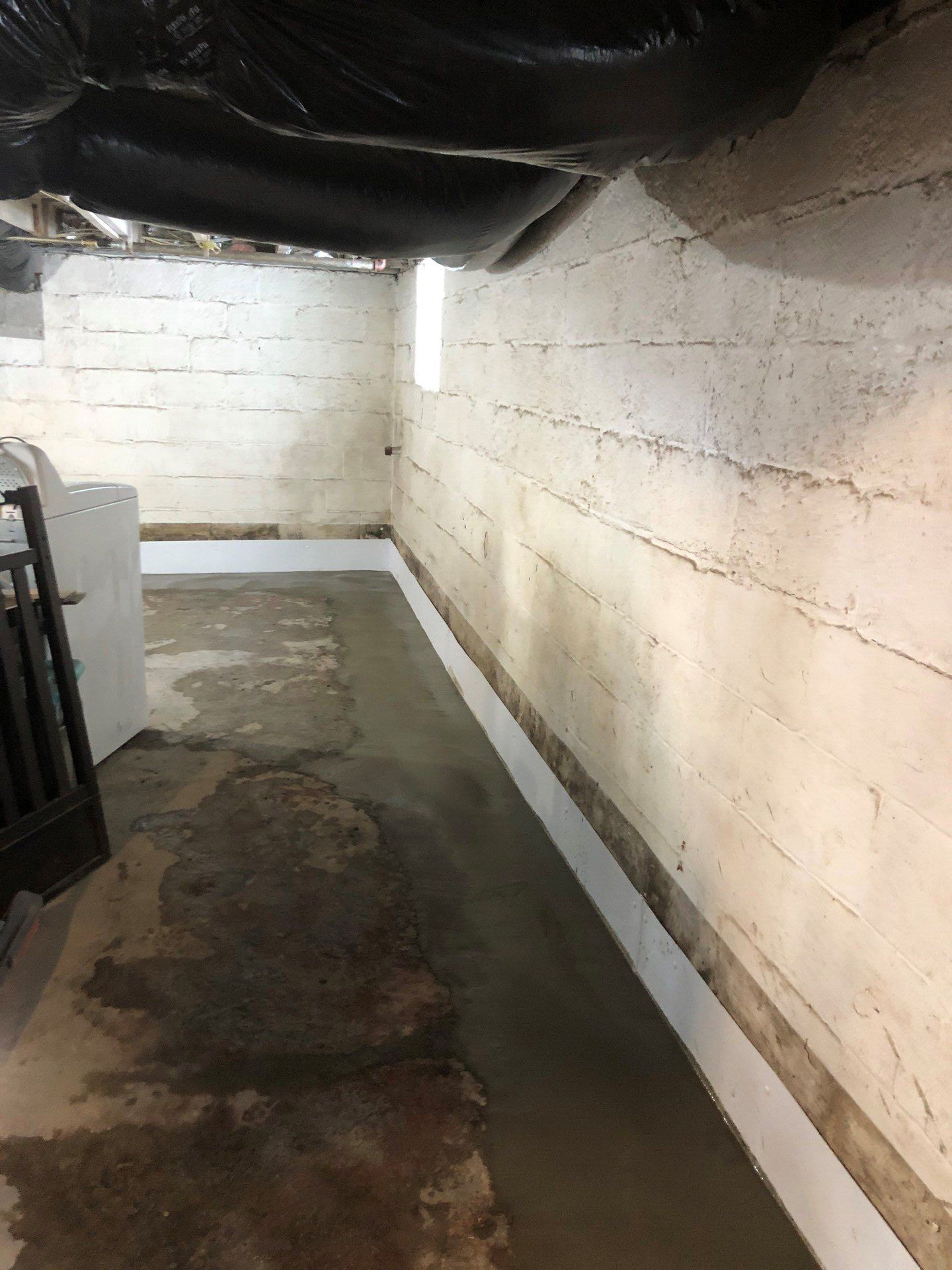
Basement water rarely comes straight through solid concrete. It almost always enters where materials meet, shift, or age.
Common entry points include:
- The cove joint (where the basement wall meets the floor)
- Small foundation wall cracks
- Utility penetrations and old patch points
- Window wells that do not drain properly
- Floor cracks that open slightly during heavy saturation
Dampness, seepage, and flooding: what’s the difference?
Not all basement moisture indicates the same problem, and understanding the difference helps prevent unnecessary stress.
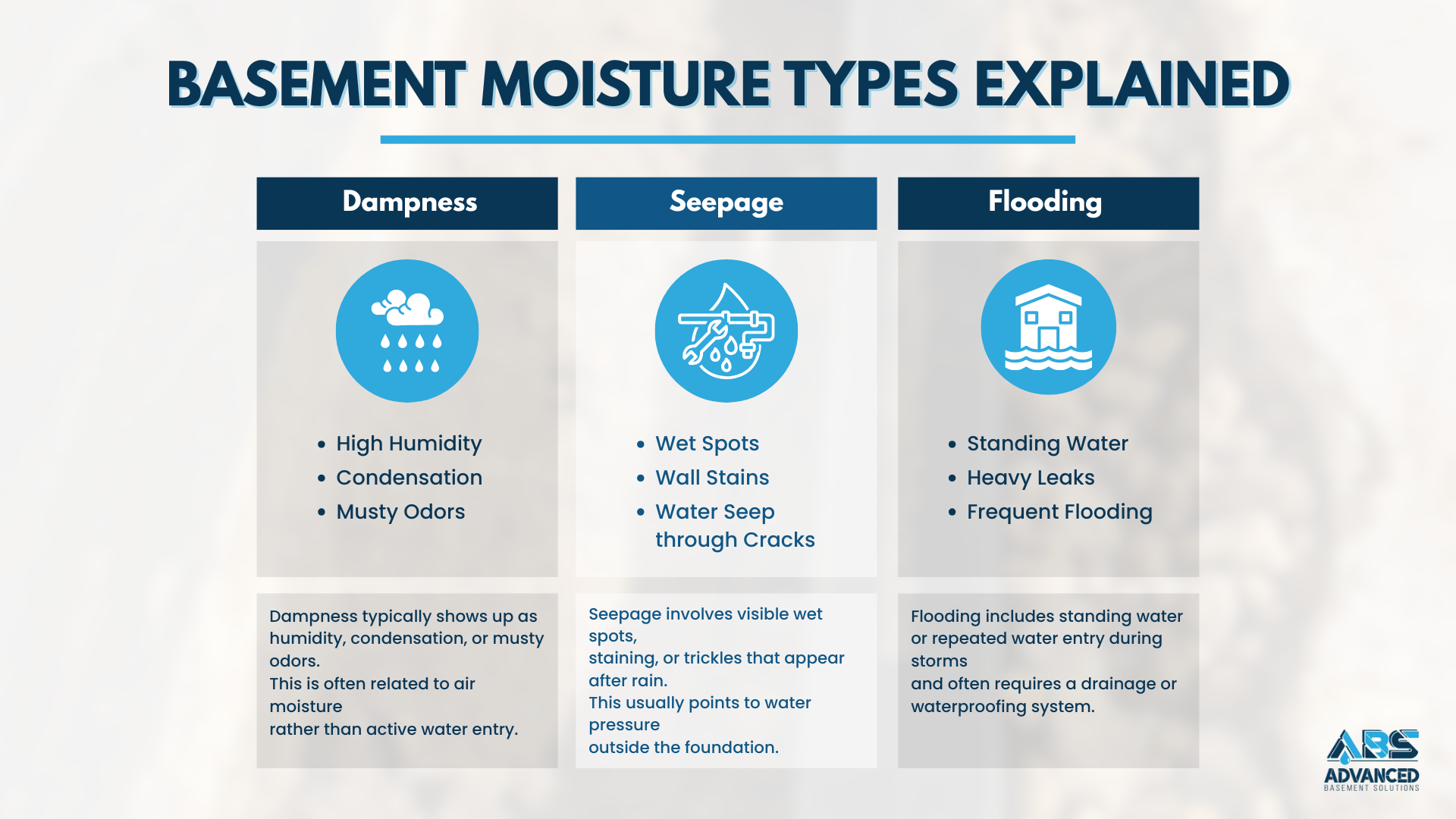
Dampness typically shows up as humidity, condensation, or musty odors. This is often related to air moisture rather than active water entry.
Seepage involves visible wet spots, staining, or trickles that appear after rain. This usually points to water pressure outside the foundation. Flooding includes standing water or repeated water entry during storms and often requires a drainage or waterproofing system.
Dampness typically shows up as humidity, condensation, or musty odors. This is often related to air moisture rather than active water entry.
Seepage involves visible wet spots, staining, or trickles that appear after rain. This usually points to water pressure outside the foundation. Flooding includes standing water or repeated water entry during storms and often requires a drainage or waterproofing system.
Common warning signs homeowners notice first
Many basement problems begin subtly. Homeowners often notice:
- Musty odors that return after cleaning
- White powdery residue on foundation walls
- Peeling paint or bubbling wall coatings
- Damp carpet edges or baseboards
- Rust forming on metal items
- Water appears in the same spot after heavy rain
What issues are urgent — and what can often be monitored
Not every basement concern requires immediate action. A trustworthy inspection should clearly explain the difference.
Often monitored with guidance:
Worth evaluating sooner for clarity:
The goal is not urgency — it’s understanding what’s happening and why.
Often monitored with guidance:
- Hairline shrinkage cracks without water
- Light condensation that improves with dehumidification
- Occasional dampness that does not worsen after storms
Worth evaluating sooner for clarity:
- Water appears after most heavy rains
- Persistent seepage at the floor-to-wall joint
- Bowing or shifting foundation walls
- Repeated sump pump issues or no pump with recurring water
- Cracks that grow or allow water inside
The goal is not urgency — it’s understanding what’s happening and why.
How basement waterproofing systems actually work
Basement waterproofing focuses on managing water rather than simply trying to block it.
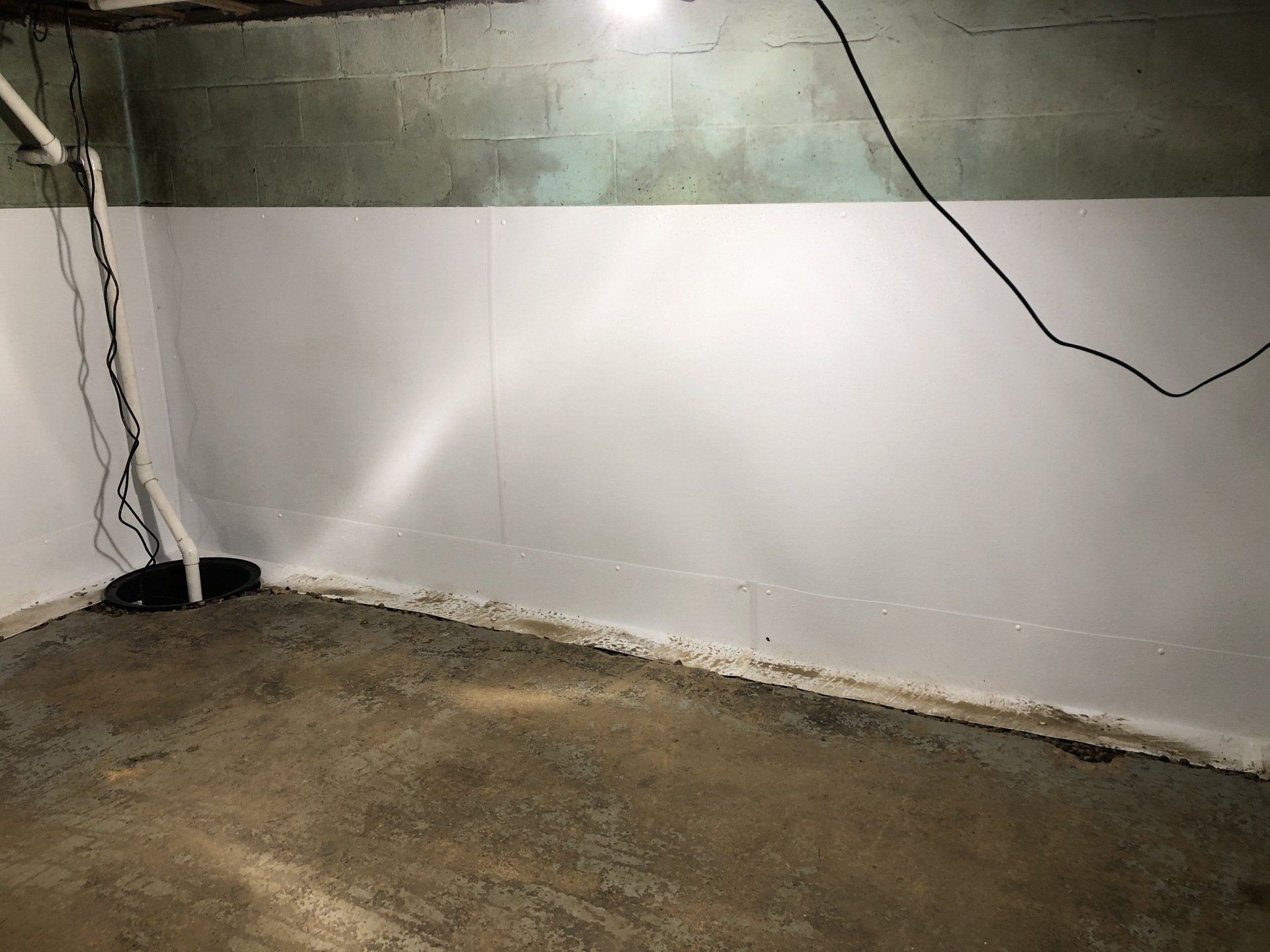
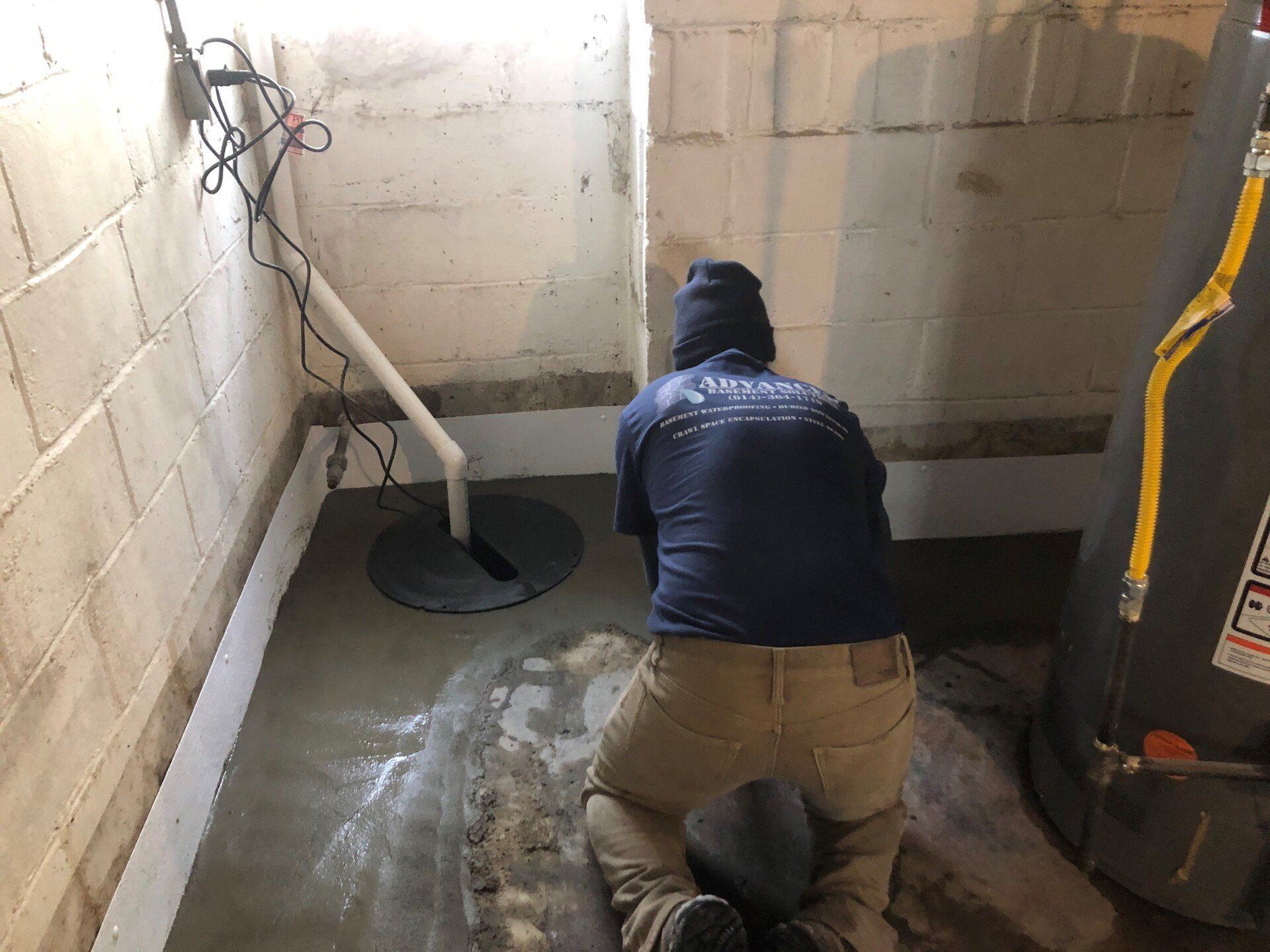
In many Ohio homes, interior drainage systems collect water at common entry points and redirect it to a sump basin. A sump pump then safely moves that water away from the foundation. For damp basements, moisture control solutions such as dehumidification may be sufficient. For seepage or flooding, drainage systems address the source of the problem rather than hiding the symptoms.
In many Ohio homes, interior drainage systems collect water at common entry points and redirect it to a sump basin. A sump pump then safely moves that water away from the foundation. For damp basements, moisture control solutions such as dehumidification may be sufficient. For seepage or flooding, drainage systems address the source of the problem rather than hiding the symptoms.
Where foundation repair fits into basement water issues
In some cases, water problems and foundation wall movement are related. In others, they are separate issues.
Bowing or cracked foundation walls may require reinforcement using steel beams or carbon fiber wall straps. Proper drainage can help reduce pressure, but structural reinforcement addresses wall movement directly.
A professional inspection should explain whether waterproofing, foundation repair , or a combination of both makes sense for your home.
Bowing or cracked foundation walls may require reinforcement using steel beams or carbon fiber wall straps. Proper drainage can help reduce pressure, but structural reinforcement addresses wall movement directly.
A professional inspection should explain whether waterproofing, foundation repair , or a combination of both makes sense for your home.
When it makes sense to call a professional
You may want to schedule an inspection if:
- Water enters your basement after heavy rain
- Moisture keeps returning despite quick fixes
- Foundation walls appear to be bowing or cracking
- You plan to finish your basement or protect stored belongings
- You want clarity before deciding on repairs
How Advanced Basement Solutions Ohio approaches inspections
Advanced Basement Solutions Ohio takes an education-first, low-pressure approach.
We explain what’s happening in plain language, show you what we’re seeing, outline your options clearly, and help you understand what truly needs attention versus what can be monitored. The goal is confidence — not confusion. If you’re noticing basement dampness, seepage, or water after rain, we’re happy to take a look and explain what’s going on. A clear inspection can help you decide on the right next step when you’re ready.
We explain what’s happening in plain language, show you what we’re seeing, outline your options clearly, and help you understand what truly needs attention versus what can be monitored. The goal is confidence — not confusion. If you’re noticing basement dampness, seepage, or water after rain, we’re happy to take a look and explain what’s going on. A clear inspection can help you decide on the right next step when you’re ready.
FAQs
Why does my basement get water after heavy rain in Ohio?
Basements in Ohio often get water after heavy rain because clay soil holds moisture, increasing pressure against the foundation and pushing water through joints or cracks.
Is a damp basement normal in Ohio?
Some basement dampness is common due to humidity, but recurring moisture should be evaluated to prevent long-term damage.
What causes water at the basement floor joint?
Water at the floor-to-wall joint usually means groundwater pressure is pushing moisture to the lowest entry point around the foundation.
Do I need basement waterproofing or just a dehumidifier?
A dehumidifier helps control humidity, but seepage or flooding typically requires drainage or waterproofing to manage water properly. When should foundation cracks be repaired?
Foundation cracks should be evaluated if they grow, allow water in, or are associated with wall movement.
Basements in Ohio often get water after heavy rain because clay soil holds moisture, increasing pressure against the foundation and pushing water through joints or cracks.
Is a damp basement normal in Ohio?
Some basement dampness is common due to humidity, but recurring moisture should be evaluated to prevent long-term damage.
What causes water at the basement floor joint?
Water at the floor-to-wall joint usually means groundwater pressure is pushing moisture to the lowest entry point around the foundation.
Do I need basement waterproofing or just a dehumidifier?
A dehumidifier helps control humidity, but seepage or flooding typically requires drainage or waterproofing to manage water properly. When should foundation cracks be repaired?
Foundation cracks should be evaluated if they grow, allow water in, or are associated with wall movement.
March 10, 2026
Whether basement waterproofing is worth it for Columbus homeowners. Understand how it affects home value, inspections, and long-term protection in Central Ohio.
March 10, 2026
How to choose between foundation crack repair and full foundation repair in Columbus. Understand the signs, costs, and solutions to protect your home.